

05 Jun How to Take Initiative of Your Post-Grad Life
• CSUF career specialists, alumni and campus leaders share insights on navigating the transition from college to post-graduate life.
• Establishing routines, setting achievable goals and taking small, consistent actions can help graduates build confidence and momentum after college.
• Building an identity beyond work through hobbies, relationships and personal interests can support personal growth and resilience during periods of career change or uncertainty.
“What now?”
It’s a question many new graduates may ask themselves.
While graduation is a time of celebrating great academic achievements, it may also cause anxiety, pressure and uncertainty after losing the structure of college life, according to the American Psychiatric Association.
“Students spend their last semester really focused on exams, projects and finishing strong academically, so they don’t necessarily spend a lot of time preparing for the job search,” said Leilani Guerrero, CSUF Natural Sciences and Mathematics Career Specialist. “A lot of people don’t realize how much preparation goes into it, and when students are already stretched thin academically, they can find themselves a little lost in what the next step is.”

According to a Her Campus survey conducted of 452 recent graduates, 81 percent said that thinking about post-grad life makes them anxious.
“There can definitely be periods of uncertainty after graduation,” said CSUF alumna and ASI Children’s Center Program Coordinator Deisy Hernandez. “This can definitely be stressful as you are navigating a new phase in your life.”
Feeling stressed about life after the cap and gown? Here’s how to take initiative as you adjust to post-grad life.
Build Routines & Micro Habits

For many students, college life brought a sense of structure through familiar routines, classmates who became friends and communities built through clubs, shared experiences and the ups and downs of student life.
Yet once college is over, this highly structured environment requires complete self-management. Moreso, a lack of unemployment and routine is strongly linked to anxiety, depression and lower life satisfaction.
Developing routine habits and discipline can help in the post-grad transition, according to TitanWELL Health and Wellness Coach Jennifer Langenwalter.
Langenwalter compares stress to a balloon that will eventually pop, saying small decompression habits like walking, deep breathing or stepping away from your desk can help make the balloon smaller.
“Being able to find passions, routines and other things outside of school is so important,” said Jordan Garcia, CSUF alumnus. “I had to create a routine for myself to replace the regularity I lost after school. Keeping a schedule helped me stay organized and kept me from feeling lost and unproductive.”
Whether joining local communities, treating the job search like a 9-to-5, scheduling time for exercise and friends or maintaining a sleep schedule, having structure can make the transition less daunting.
Don’t Wait for Certainty, Take Small Steps

Psychologists have found that people gain confidence most effectively through “mastery experiences”— taking initiative, overcoming challenges and proving to themselves they are capable.
In this, it’s suggested that confidence comes after action; not before it.
New graduates can deal with post-grad uncertainty by developing specific habits to build success individually over time, according to Langenwalter.
“You can have one or two habits you want to form and then break that down month by month, and just work on one,” said Langenwalter. “Make it so small that you’re going to build success by doing it every day.”
These habits can support a variety of goals, from exercising for 30 minutes a day to applying for one job each day.
“You can’t go from zero to running a 5K overnight. The same goes for life changes — small, gradual habits are what build lasting success,” Langenwalter.
Create Opportunities, Don’t Just Search for Them

Instead of solely relying on job searching after graduation, recent graduates can become members of CSUF’s Alumni Association to network and learn more from alumni and more experienced professionals.
The association offers additional perks, like invitations to alumni networking activities and events, allowing recent graduates to create their own opportunities rather than waiting for them.
This can include volunteering, freelancing, creating portfolio work and reaching out to organizations and alumni directly.
“I actually had an alumna who was having a tough time finding a job after graduation,” said Guerrero. “She actually reached out to someone, met with them over Zoom at some point, and now she’s actually working there as a full-time staff member, so I do think networking goes a long way.”
According to the Upwork Research Institute, saying yes to freelancing and networking opportunities outside of traditional job titles can broaden perspectives and empower graduates as they navigate post-college life.
Utilize Campus Resources
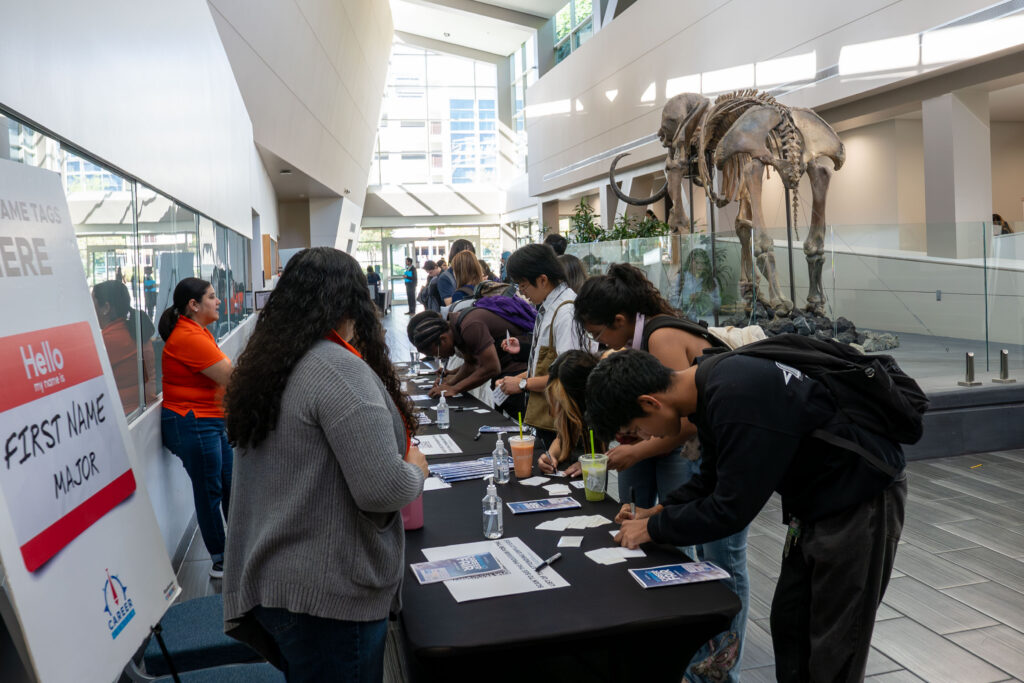
In addition to the Alumni Association, recent CSUF graduates can continue using Career Center services for up to one year of graduation as they navigate the transition from college to the workforce.
This includes services like resume and cover letter reviews, professional etiquette workshops and individual career exploration appointments.
“Don’t get discouraged but also take the time to reflect on what you’re doing,” said Guerrero. “If you’re applying and not getting callbacks, maybe your resume or cover letter needs to be tweaked, or maybe you’re not tailoring your application for that specific job.”
Some common resources you can find through the Career Center include Career Fairs, Career Assessments, Career Exploration, Mock Interviews, Interview Prep, LinkedIn Creation and more.
Your Career Doesn’t Define You

After graduation, many find themselves navigating an unfamiliar transition as they move from being a student to defining who they are beyond the classroom.
“You graduate from college, and we focus immediately on what we’re going to do right after as a career, and that becomes almost our identity,” said ASI Associate Vice President and Executive Director Dave Edwards. “Stay focused on or grounded in who you are as a person, and don’t let the job define you.”
While careers are part of adulthood, psychologists note that exploring hobbies can contribute to personal growth, reduce stress and foster social connections that all contribute to one’s sense of self.
As the years following college are a period of identity exploration, building a sense of self around multiple aspects of life can create greater resilience during periods of career uncertainty or change, according to Pub Med.
“Those things that bring you joy that make you a more well-rounded person,” Edwards said. “Sometimes jobs don’t work, sometimes things go sideways at work, and maybe even you don’t keep that job. If it’s so connected to who you are, it can be devastating. But if you’re focused on ‘I am this person regardless of this job,’ the job can change. You’re still this person.”
Redefining Success After Graduation
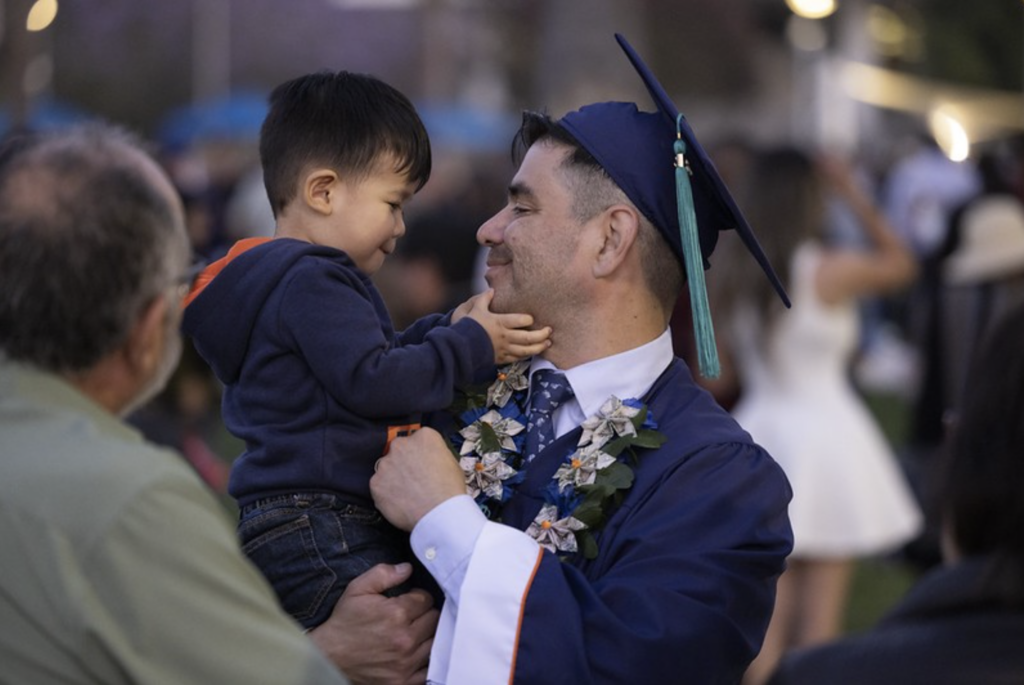
Instead of looking at life after graduation as one of uncertainty and fear of the unknown, it can be looked at as a season of growth, opportunity and personal reinvention.
“My journey is just as worthy as someone else’s,” said Langenwalter. “Every situation is unique, and while you’re capable of doing whatever you want to do, you have to meet yourself where you are and do it at your own pace.”
Whether pursuing graduate school, launching a career or traveling the world, graduates who take initiative can build the confidence and sense of direction needed to navigate life beyond college.
“Get curious and get started,” said Guerrero. “Success after college isn’t a finish line, it’s a series of small, meaningful steps to move you forward.”