
23 Apr More than Just an Issue: A Look at ASI’s Social Justice Week
- Social Justice Week highlighted diverse voices and key issues across campus.
- Events encouraged students to move beyond discussion and take action.
- Workshops and panels created space for dialogue, learning and community.
The week of March 16-20, 2026 marked the halfway point to the Cal State Fullerton semester. While students were swamped with midterms and mid-semester check-ins, the Association of Intercultural Awareness (AICA) celebrated the return of its annual Social Justice Week.
Under Associated Students Inc., Social Justice Week is AICA’s annual week-long event highlighting different issues that affect cultures and communities across the globe. This year’s events saw 30 CSUF cultural organizations host 21 cultural informational sessions, concluding with a Beyond the Conversation installment with special guest Mr. Cartoon.
With a kickoff event in the Central Quad, the sessions showcased college students’ work, highlighting their dreams, passions and commitment to diverse cultures, religions and identities around the world.
“Social Justice Week is a space where students can feel seen, heard and valued,” said Indrayani Bhosale, AICA events chair. “It isn’t about telling students what to think, it’s about creating space for conversations about the topics that matter most to them.”
With the power in students’ hands, the sessions drew attention to issues from the past, offered ways to champion change in the present and how to move forward in the future.
The Present
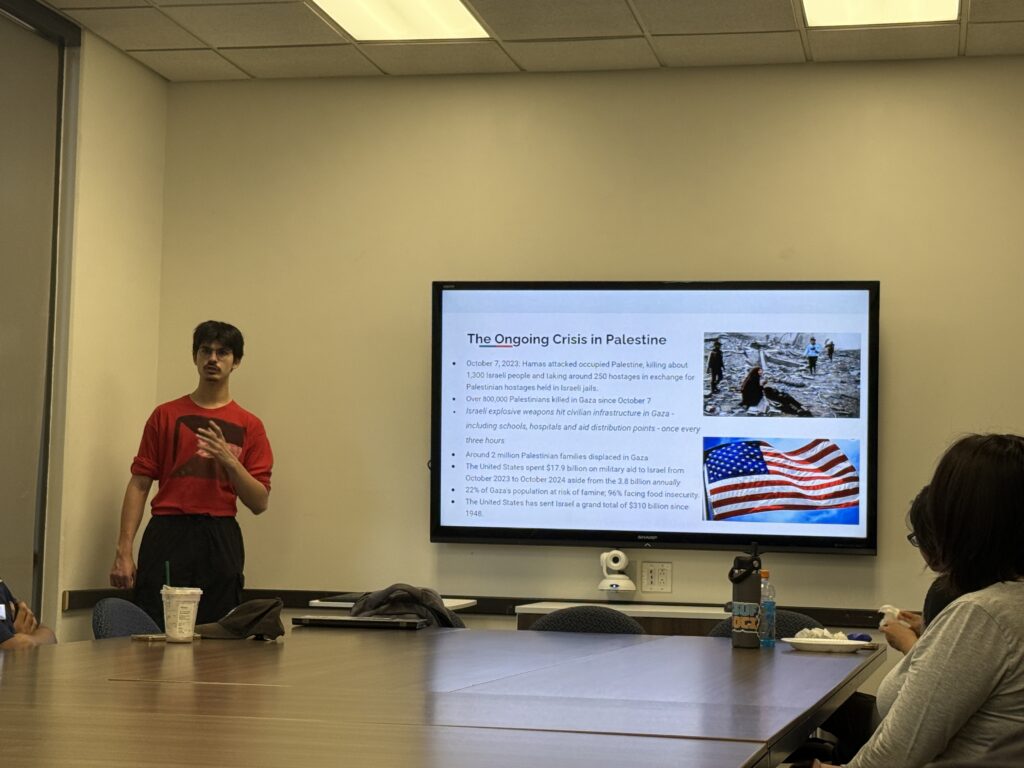
Student clubs presented on issues their clubs regularly advocate for, bringing light to present issues. / Credit: Isabel Martinez
While social issues have occurred throughout history, communities continue to face discrimination at the hands of others. Sessions from Social Justice Week mentioned global topics such as divestment in Palestine, missing and murdered indigenous people and Mexican identities on both sides of the border.
Titan Youth Democratic Socialists and Students for Justice in Palestine gave a presentation titled “Divestment in Palestine,” explaining what it means to divest and the economic benefit of doing so.
“While people might have heard of the topic, they might not know how to apply it in their lives,” said the Students for Justice in Palestine president. “We urge you to consider our voice as a student body, the principles of justice and equity that guide our institution and the significant impact that diversity would have on promoting human rights and ethical integrity.”
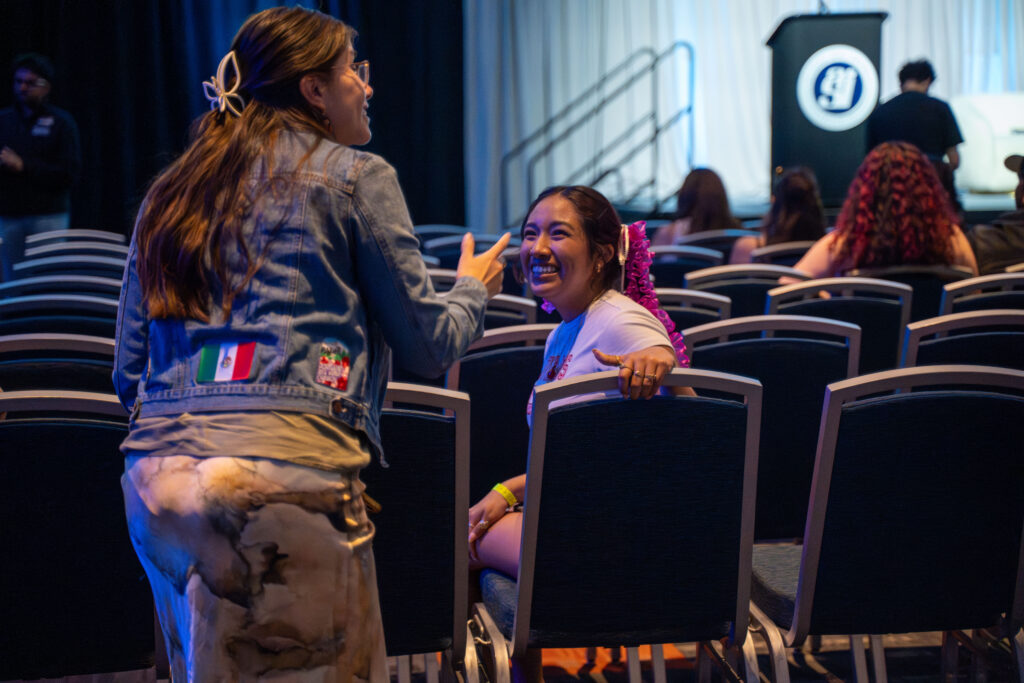
Social Justice Week brought together different communities, cultures and identities on campus. / Credit: ASI Marketing, Communications and Design
Titan Youth Democratic Socialists and Students for Justice in Palestine presented an overview of the causes and effects of the Israel–Palestine conflict, while also highlighting ways attendees could support individuals impacted by it.
In addition, the Inter-Tribal Student Council held a session to discuss how Indigenous women are typically targeted as victims of violent crimes and the Association of Latino Professionals for America discussed issues Latino individuals face when living on either side of the United States/Mexico border.
Other topics expanded upon this week included social injustices in Afghanistan, historical memory in Taiwan, lack of Latino representation in professional careers and more.
The Past
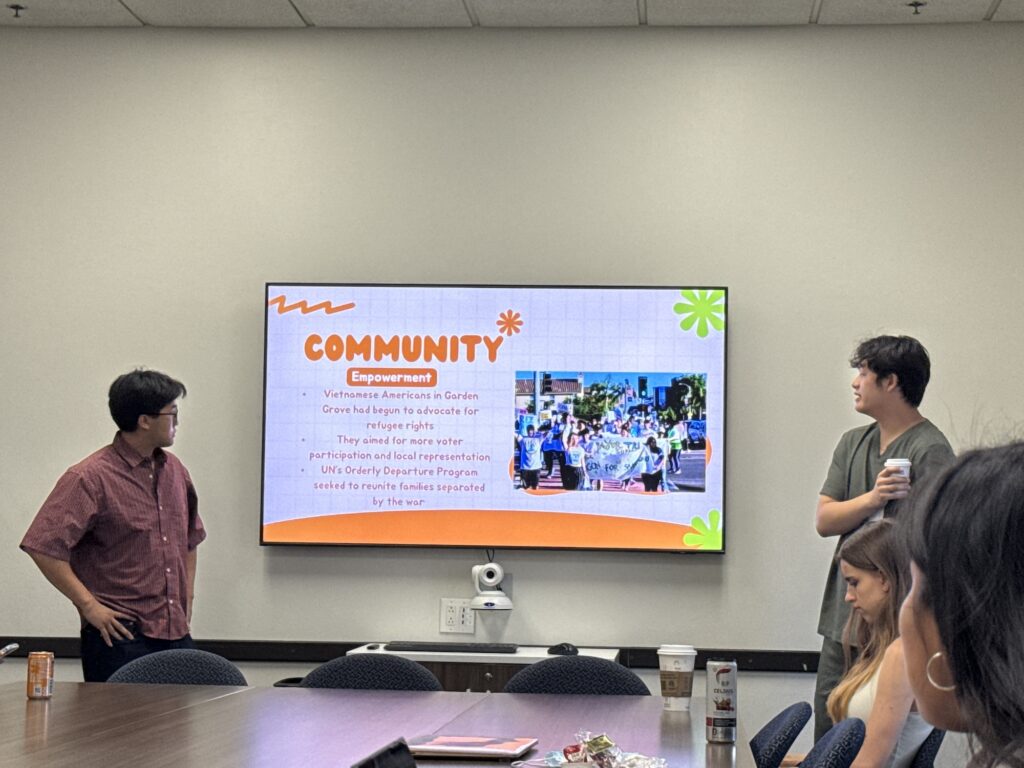
Past issues and important figures that still impact today’s societies were also talked about at Social Justice Week. / Credit: Isabel Martinez
A handful of presentations discussed historical events that once affected society. The Muslim Student Association and Muslim Tech Collaborative discussed how prominent Muslim leader Malcolm X educated himself while incarcerated, ultimately discovering Islam and integrating his faith into his work during the Civil Rights Movement.
“We got the idea for this presentation because Malcom X was a prominent social justice fighter for African American people and a pillar for Muslim Community in the U.S.,” said Ruman Saiyed, Muslim Tech Collaborative’s AICA representative. “Although he was assassinated, he continues to be a symbol of courage, justice and social change.”
Additionally, topics from Social Justice Week covered diverse communities and topics like the Vietnamese community of Little Saigon, the Taino people, Indian women in education, mental health in South Korea, social justice events in Nigeria and so much more.
SJW provided a space for students to discuss issues from the past and how they continue to affect the present.
Blending the Past with Present
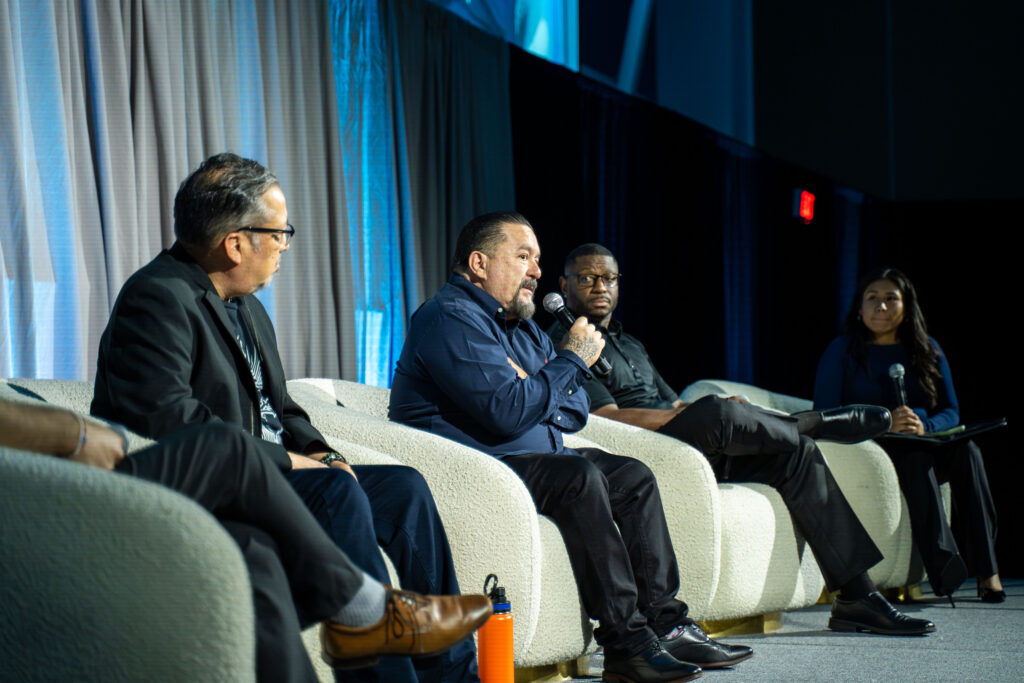
Mr.Cartoon was joined alongside various panelists and campus leaders in a special edition of “Beyond the Conversation.” / Credit: ASI Marketing, Communications and Design
SJW ended with another installment of Beyond the Conversation with L.A.-based artist, Mark Machado, also known as Mr. Cartoon.
Southern California native, Machado discussed how he grew a successful business from his passion for art and creativity despite the hardships he encountered during his years.
“Trust the process,” said Cartoon. “Once you find that, know that you can change and grow as you walk along with the road.”
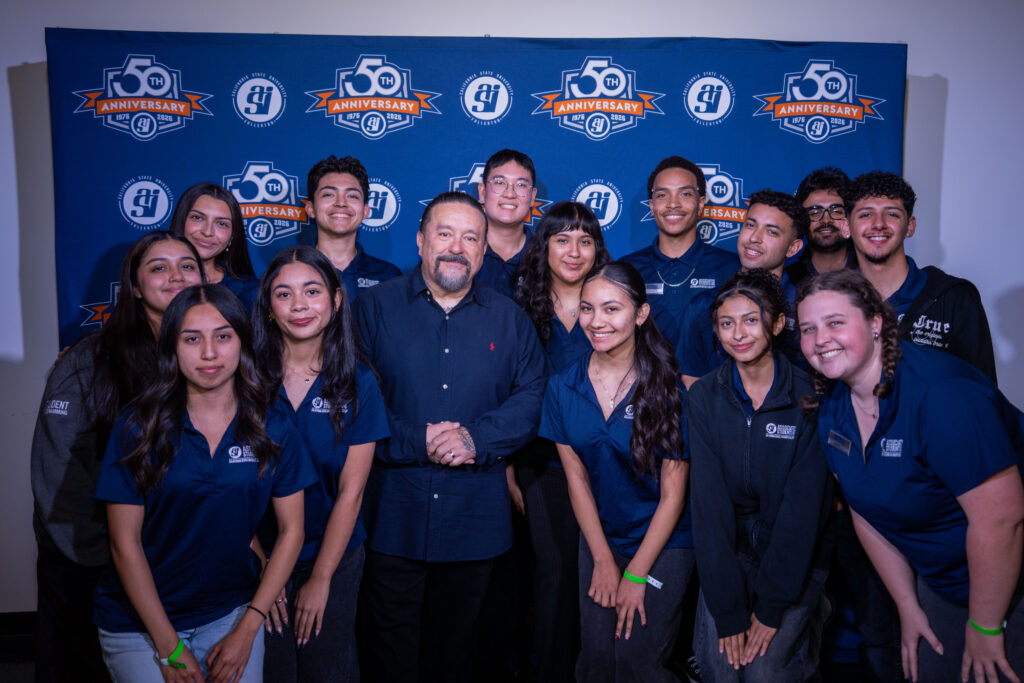
ASI student assistants worked to make “Beyond the Conversation” a success. / Credit: ASI Marketing, Communications and Design
Three additional panelists joined Cartoon as guest panelists for this Beyond the Conversation: JC Cavitt, Executive Director of Project Rebound; Dr. Alexandro Gradilla, associate professor from the Chicano and Chicana studies department and Ricardo Pitones, Assistant Director of the Latinx Community Resource Center.With a focus on Latinx voices and experiences, the conversation surrounded around being a student from minority populations, expressing cultural identity and using art in education.
“If you have a passion, go for it,” said Jeff Laura, fourth-year psychology major. “And like he said, it was a struggle in the beginning. He didn’t really know whether he was going to make money from it or not, and things worked out for him.”
The Future
While events may be over, social justice issues continue to affect individuals and communities that CSUF clubs continue to bring light to.
Through amplifying student voices, AICA’s Social Justice Week blended conversations about old social issues with emerging issues through workshops and discussions.
To continue to stay involved both on and off campus, check out the clubs that engage in social justice work at CSUF: